
Quiet Luxury for Compact Living

We are exploring small-space transformations with sophisticated, understated finishes, revealing how restraint, layered texture, and intentional planning create rooms that feel expansive, calm, and personal. Expect actionable layouts, material guidance, and human stories that convert modest footprints into quiet luxury, plus encouragement to share questions, floor plans, and photos so we can learn together.

Scale, Proportion, and the Art of Breathing Room

Right-sizing every element creates visual ease and genuine comfort in compact rooms. Proportion matters more than quantity: one perfectly scaled sofa can outperform three small chairs. Clear walking lanes, leggy profiles, and negative space build a sense of openness. These choices let understated finishes speak softly, while still delivering presence, function, and a relaxed cadence that feels generous beyond the square footage.

Furniture Footprints That Float

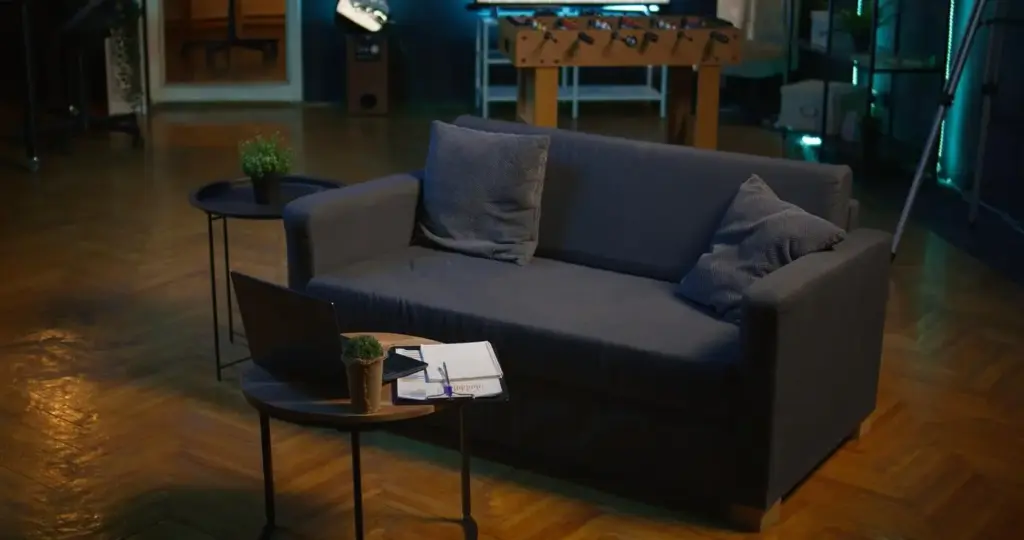
Choose pieces with raised legs, slender arms, and tightened depths so more floor remains visible. A streamlined loveseat and a narrow coffee table can feel airier than oversized alternatives. One client’s 220 square foot studio regained valuable flow by switching to a wall-mounted media shelf and a petite reading chair with open sides, instantly revealing calm where bulk once dominated.

Circulation Lanes You Can Feel

Protect pathways so movement is effortless. Aim for comfortable passing widths and avoid sharp protrusions near knees and hips. Sliding or pocket doors rescue swing space and reduce visual interruption. In a micro-loft project, aligning the sofa edge with a built-in ledge created a natural lane that guided guests from entry to window, inviting daylight deeper and making the living zone feel intentional.

Zoning Without Clutter

Create subtle boundaries using rugs, ceiling washes, or a shift in texture rather than bulky dividers. A low-pile rug anchors conversation, while a linen curtain can frame sleep without closing a room. A muted stripe in wall paneling can cue a workspace. These gentle cues keep everything legible, so the eye rests, the mind unwinds, and the room retains spacious clarity.

Palette, Texture, and Calm Materials

Understated does not mean bland; it means deliberate. Favor a cohesive palette where tones relate, undertones agree, and finishes vary subtly. Think matte limewash, honed stone, natural oak, and brushed metals. Quiet contrast keeps interest without visual noise. When color and texture support each other, compact rooms feel composed, layered, and sophisticated, encouraging deep exhale moments rather than restless scanning.

Matte Over Gloss for Relaxed Sophistication

Matte paint, satin cabinetry, and honed counters soften reflections so edges recede and surfaces appear continuous. Reduced glare can make walls feel farther away and calmer. In a tight galley, swapping high-shine tile for a velvety porcelain immediately settled the atmosphere. Paired with oiled wood pulls, the corridor felt expansive, grounded, and pleasantly tactile, even during bright daylight and busy mornings.

Muted Contrast, Not Monotone

Layer warm and cool neutrals in measured steps: oatmeal textiles, mushroom cabinetry, fog-gray walls, and aged brass accents. This approach avoids flat sameness while preserving serenity. One small entry gained refinement with a single tone deeper on the millwork than the walls. The difference read as depth rather than division, setting a gracious tone before anyone took the second step inside.

Lighting That Expands Space

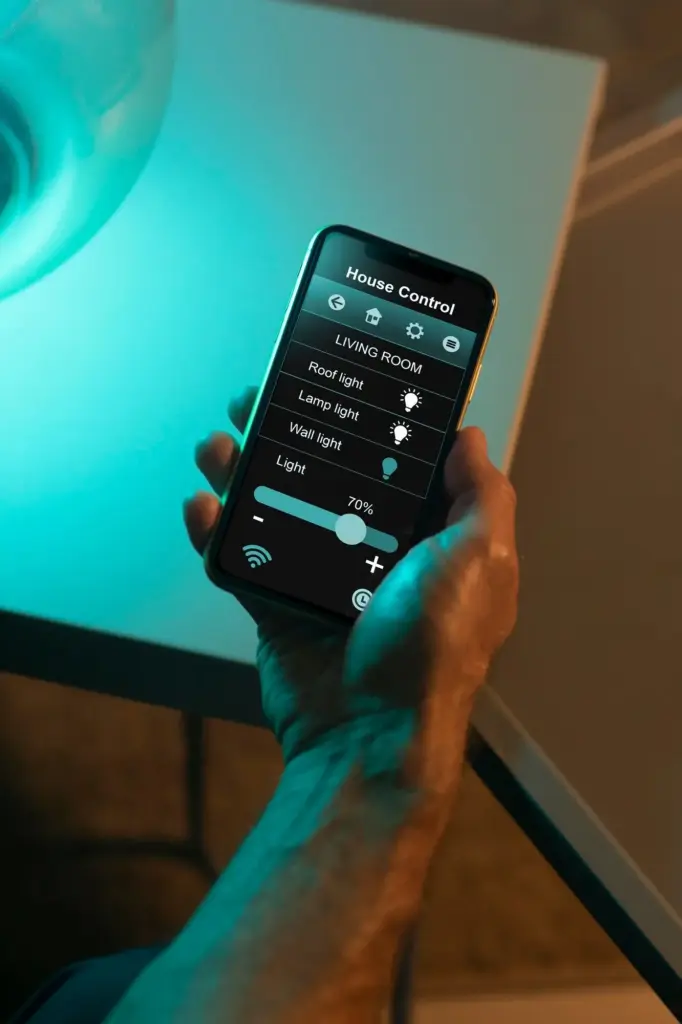
Thoughtful layers of light lengthen sightlines and set mood without clutter. Bounce ceilings, graze walls, and give tasks precise illumination. When fixtures disappear and glow remains, rooms seem larger and gentler. By tuning brightness and color temperature, you can guide energy from focused mornings to restorative evenings, letting sophisticated finishes express texture, depth, and nuance across every corner.

Built-Ins Flush and Framed

Shallow built-ins between studs add surprising capacity without stealing floor area. Finish doors to match walls or paneling so lines continue unbroken. In a studio entry, a flush cabinet with a single pencil reveal held shoes, umbrellas, and mail. Guests noticed the tidy calm, not the cabinet. This restraint let the stone threshold and oak hooks quietly shine.

Multi-Use Pieces That Work Hard

Choose a bench that hides linens, a coffee table with drawers, or a bed with integrated night ledges. In one project, a dining banquette lifted to conceal serving pieces, eliminating the need for another cabinet. The upholstery echoed the wall tone so the seating read as architecture, not bulk. Small spaces thrive when every item performs two thoughtful jobs.

Hardware You Do Not See

Push latches, recessed pulls, and integrated finger grooves maintain calm planes and elegant sightlines. Instead of flashy knobs, consider patinated metal details that reward touch. A narrow wardrobe gained presence with tall, handleless doors and a minimal plinth, appearing like a refined wall. Opening revealed generous organization, yet when closed, the room felt collected, spacious, and pleasantly unadorned.

Case Notes From Real Homes

Stories reveal how principles behave under pressure. Across tiny studios, galley kitchens, and narrow baths, measured choices add up to graceful living. Materials whisper, circulation sings, and storage disappears. These snapshots share decisions, tradeoffs, and results, encouraging you to experiment with quiet moves, observe outcomes, and refine again. Share your own photos or sketches, and we will feature clever solutions.

Styling, Editing, and Living Lightly

In compact rooms, curation is everything. Keep surfaces breathable, art intentional, and textiles purposeful. Edit frequently, rotate seasonally, and let negative space frame cherished pieces. When belongings earn their placement, rooms feel generous and alive. Invite conversation by leaving room for a vase, a book, or a morning mug. Share your styling snapshots; simple revisions often unlock unexpected harmony.

A Five-Object Rule for Surfaces

Limit any large surface to a handful of meaningful items with varied heights and textures. A lamp, a bowl, a plant, a book, and a small sculpture can tell a complete story. Reassess monthly and let something rest in a drawer. This gentle cadence keeps cleaning easy, invites fresh eyes, and prevents styling from creeping into visual noise or daily distraction.

Artful Negative Space

Blank wall does not mean unfinished; it means generous breath for the objects you cherish. Hang fewer pieces, lower, with purposeful spacing. Align edges with architectural lines, not just furniture centers. In a small living room, two well-placed works produced calm presence, while the empty wall across reflected light beautifully. The room felt intentional, elegant, and kindly unhurried.

Ninolulihonoluromuxa
Privacy Overview

This website uses cookies so that we can provide you with the best user experience possible. Cookie information is stored in your browser and performs functions such as recognising you when you return to our website and helping our team to understand which sections of the website you find most interesting and useful.