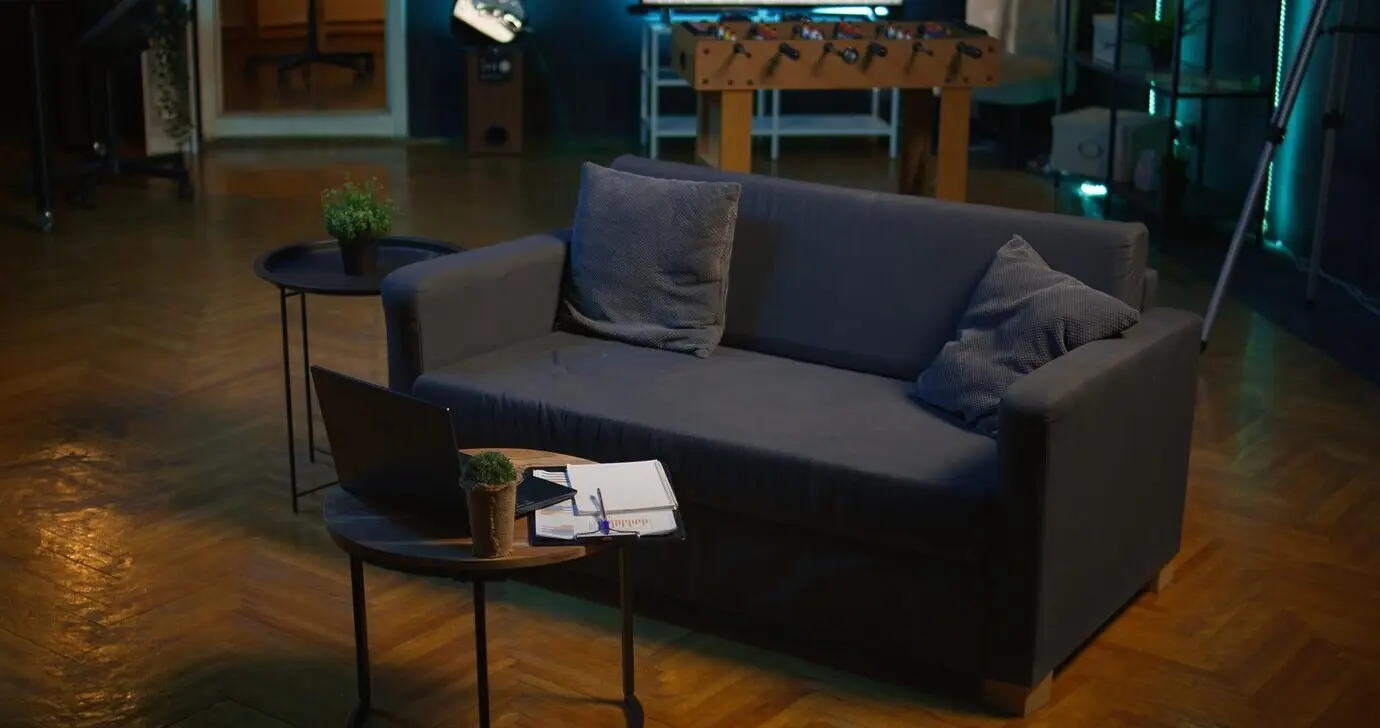
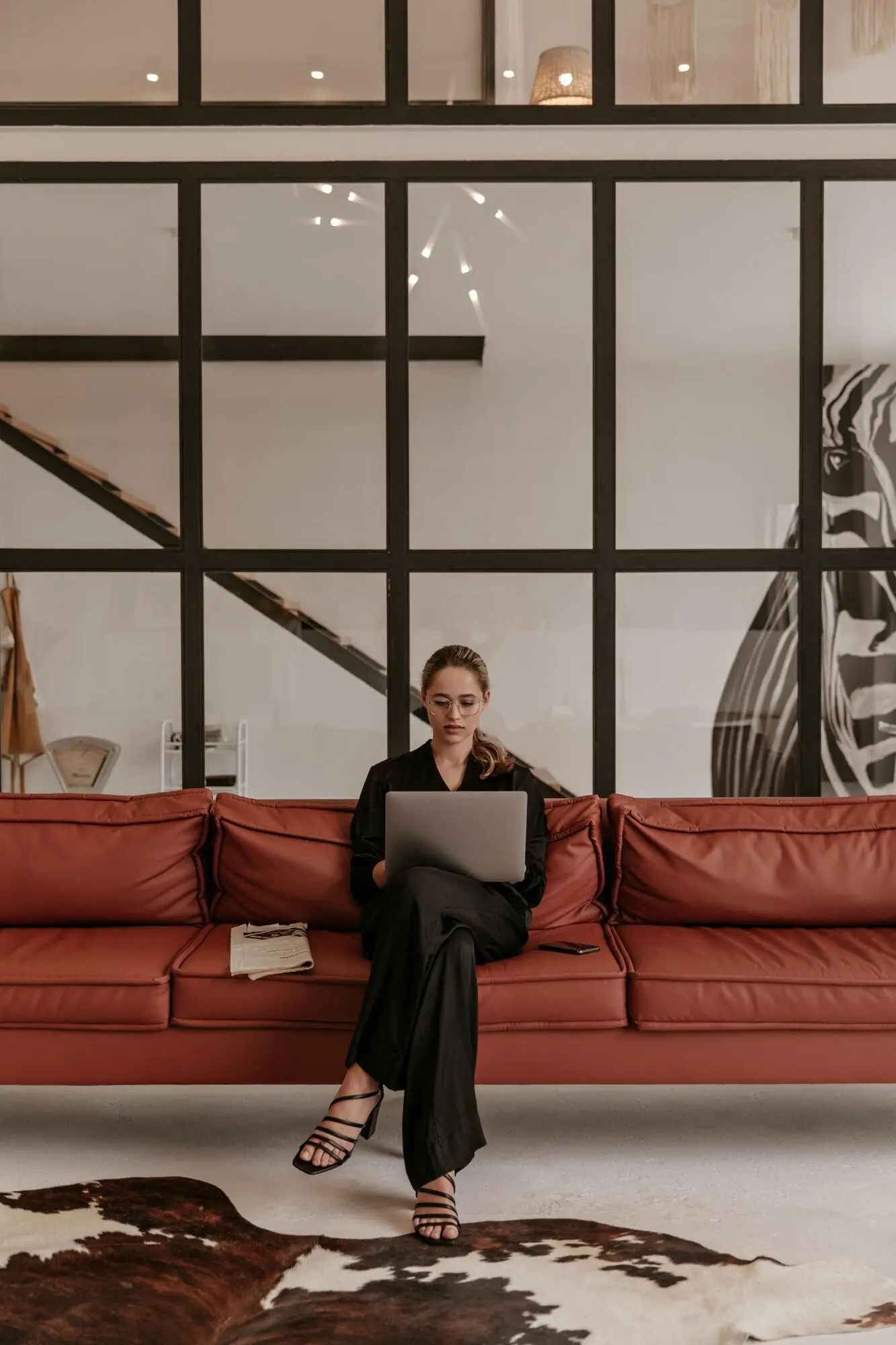

Trade multiple small tables for one generous surface, or replace several small sofas with a single, well-proportioned piece. In a compact living room, removing a redundant console created a clear diagonal path, making the room feel a meter wider. Guests stopped sidestepping furniture, conversations centered naturally, and the floor plan finally respected how people actually enter, cross, and settle into the space.

Built-ins with full-height doors, deep drawers with dividers, and integrated charging trays prevent clutter from freelancing across surfaces. After a hallway bench gained a lift-top compartment, shoes and bags stopped colonizing the entry, and mornings became smoother. Designated, hidden homes for daily objects reduce last-minute scrambles, reinforcing the home’s quiet. When life looks less messy, it feels less demanding without any stern tidying speeches.
A single chair, a small table, and good lamplight can anchor a personal retreat. We carved such a corner beside a bedroom window and added a thick woven rug. It became the most used spot in the house for notes, tea, and decompression. Simple elements, intentionally arranged, can interrupt the day’s noise and create repeatable rituals, turning square footage into replenishing time, reliably and gently.
Simple miters, biscuit joints, and consistent stiles can outperform showy profiles. We once re-skinned busy cabinet faces with clean rails and slimmer frames, then matched hardware backplates to door widths. Nothing dramatic, yet every line became legible. The room read as composed instead of decorated, and the family noticed fewer snags when cleaning. Good discipline in millwork clarifies both visual rhythm and daily use.
Acoustic comfort is luxury you hear by not hearing much at all. Felt pads under chairs, fabric wall panels, lined drapery, and plush rugs tame reverb. In an open-plan home, adding a wool rug and linen curtains halved the echo, making phone calls clearer and dinner conversations gentler. When sound is controlled, people speak more softly, and the room’s gentleness becomes its most compelling feature.
Solid knobs, weighted pulls, and perfectly tuned hinges transform routine gestures into small pleasures. We replaced lightweight hardware with unlacquered brass levers that fit the hand naturally. Over months, their finish mellowed, aligning with wood tones and stone veining. Visitors asked what changed, sensing comfort before noticing details. This is the quiet power of touchpoints: tiny moments adding up to consistent, reassuring quality.
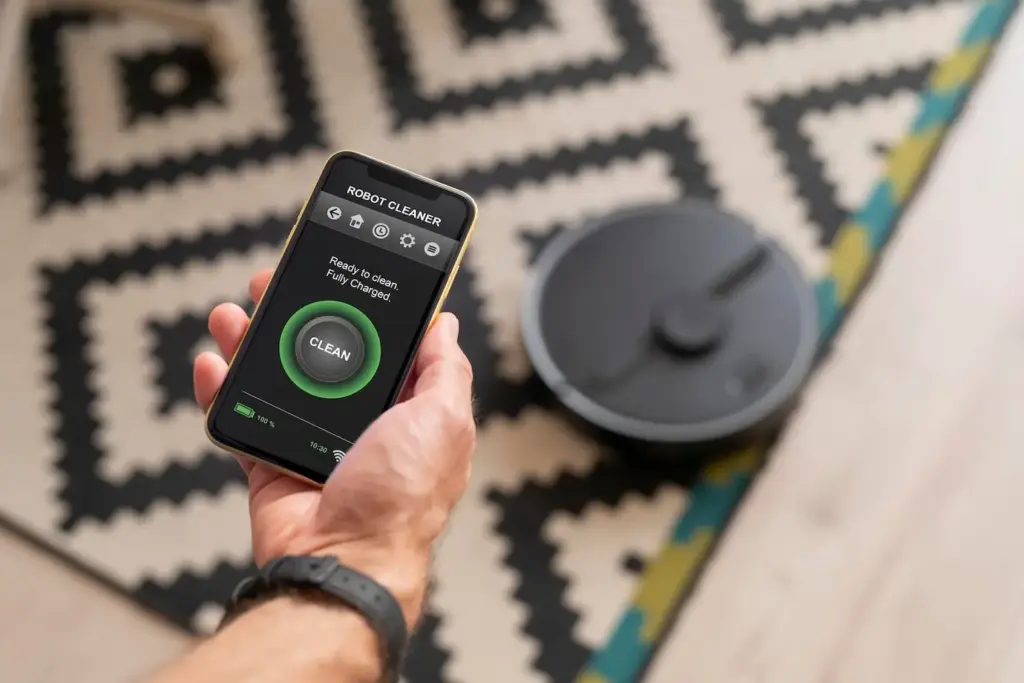
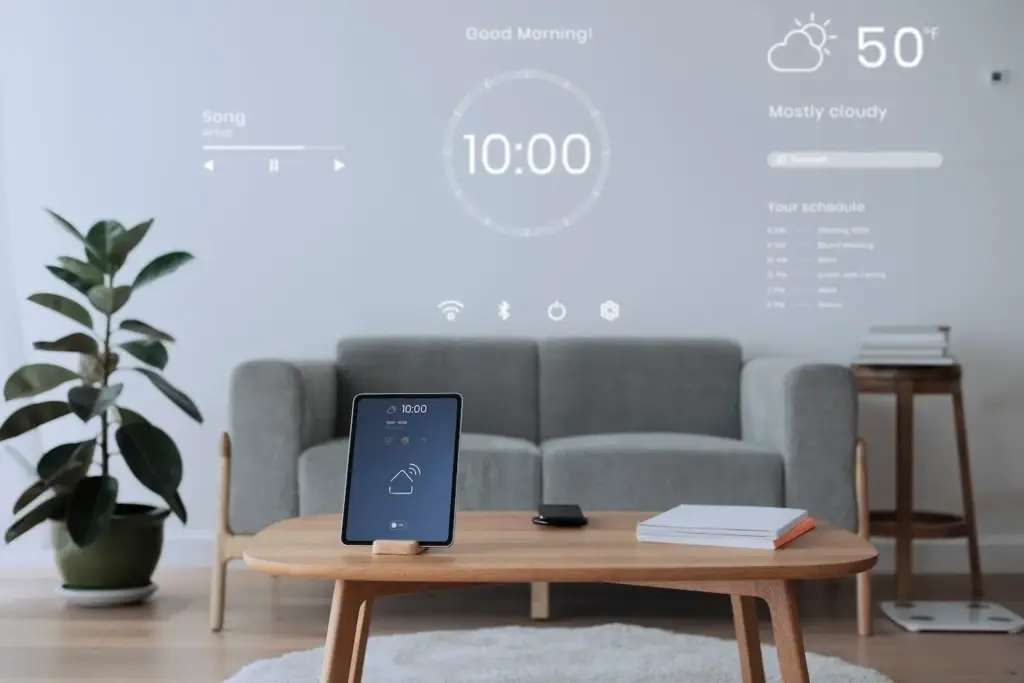
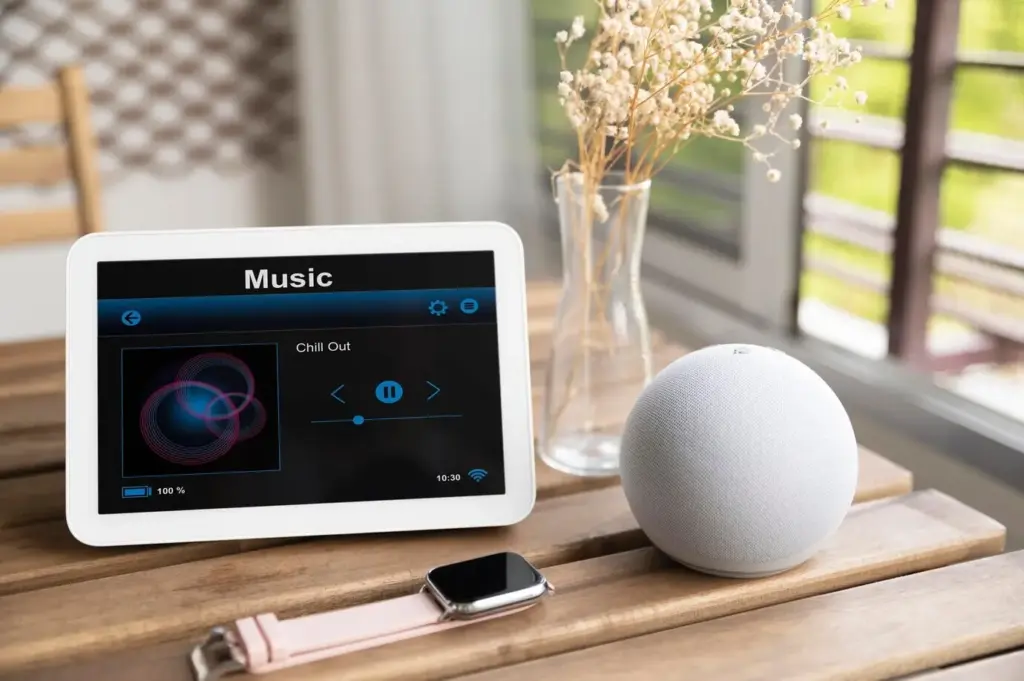
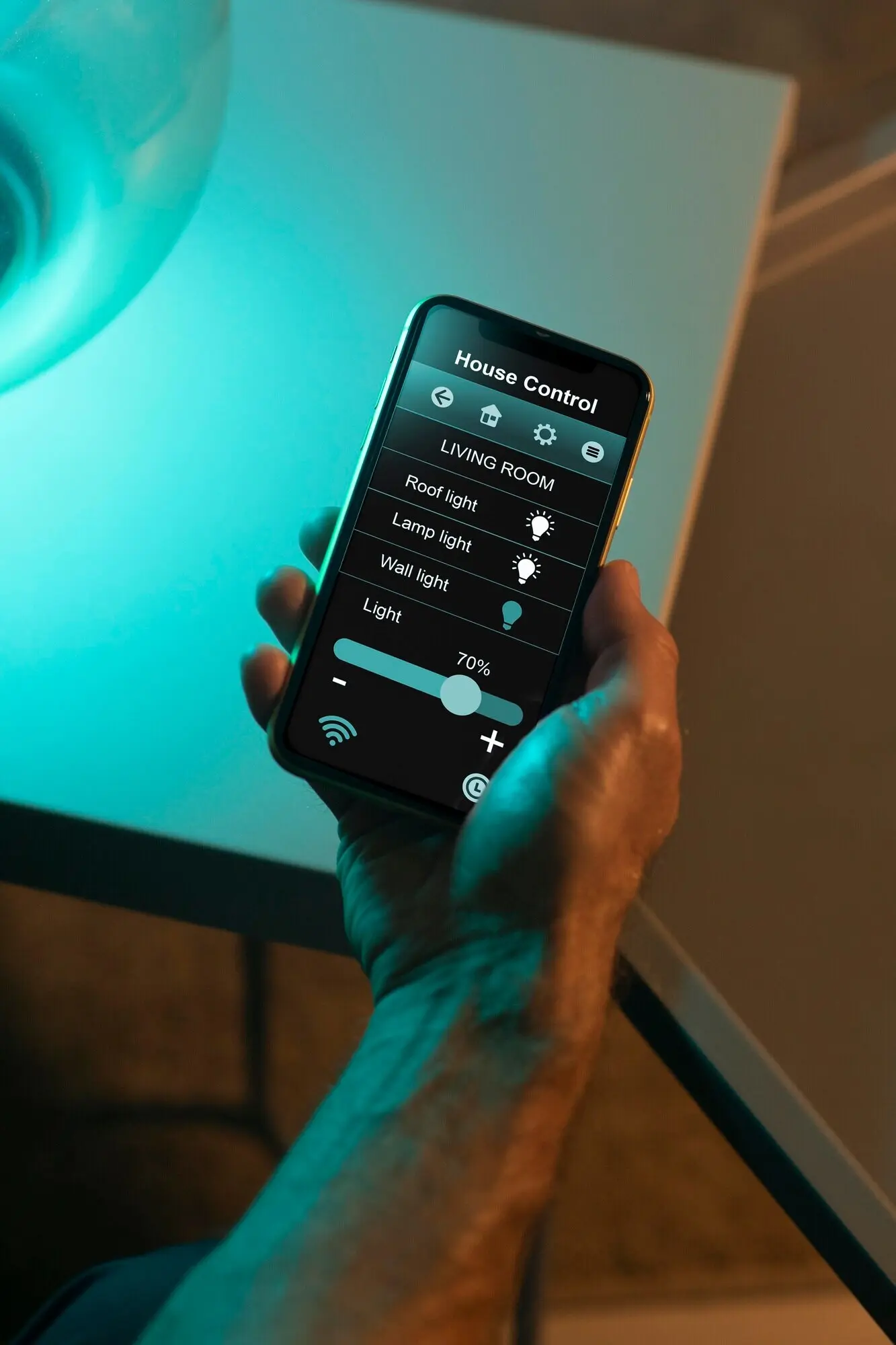
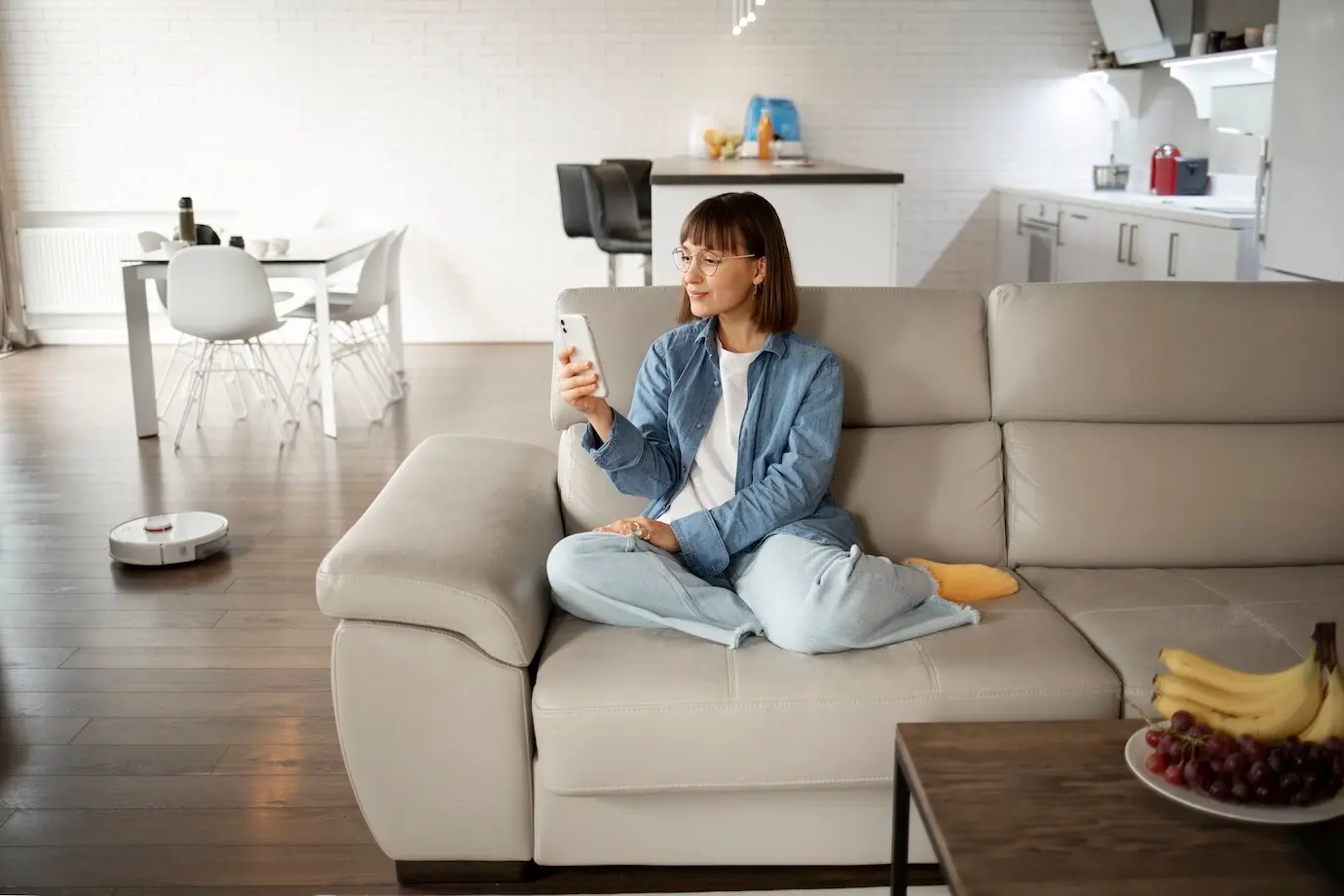
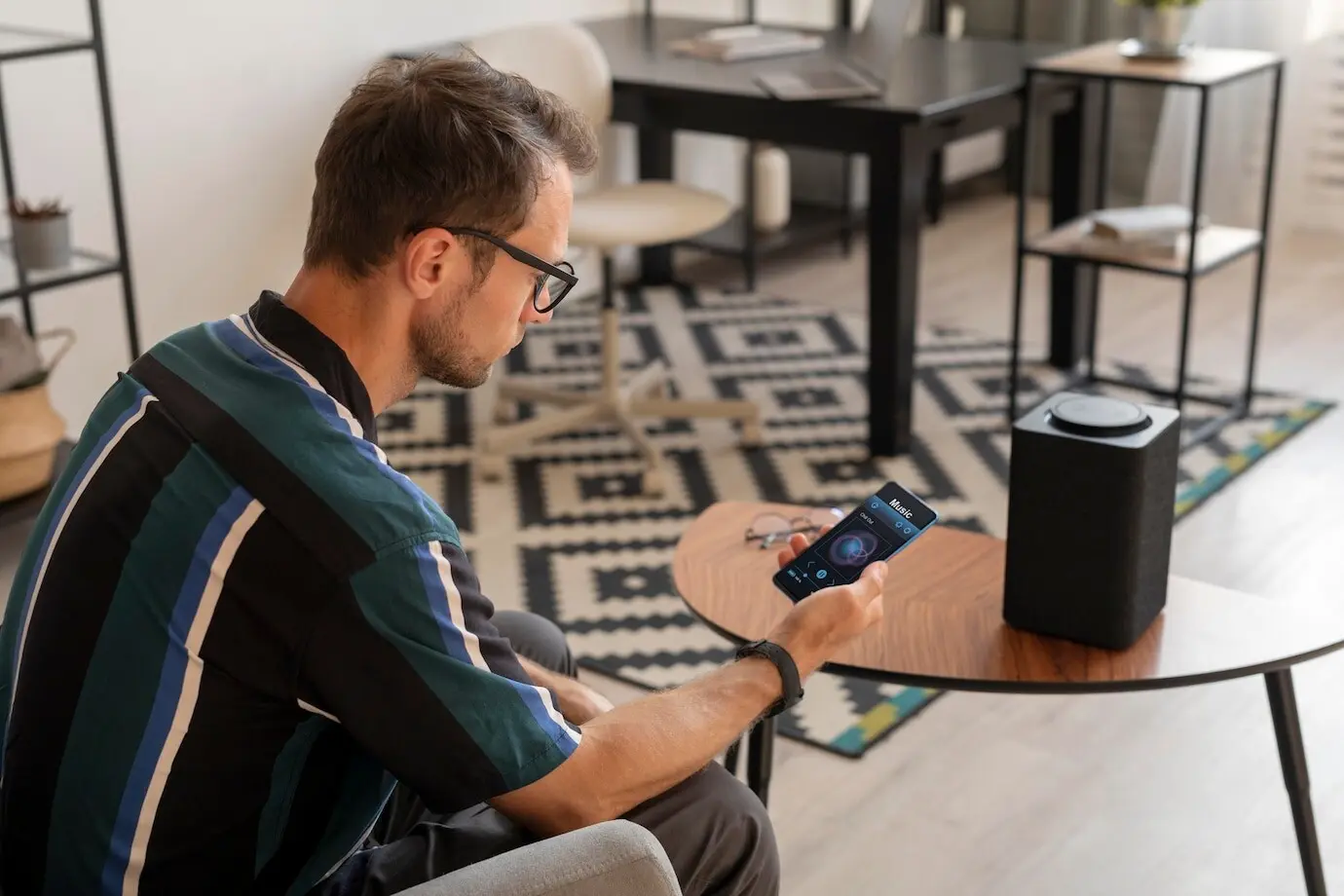
Keypads labeled with clear routines—Wake, Cook, Unwind—beat cryptic icons every time. Dimmers with tactile clicks, sensors that respect privacy, and app control when you want it create a calm relationship with technology. One homeowner reported fewer arguments about lighting once scenes matched their habits. The home learned the family, not the other way around, and the gadgets finally felt like helpful background rather than constant noise.
All Rights Reserved.